
Rotors are critical for Brownsville Jeep Wrangler rock crawling naturally, offering superior cooling and preventing overheating compared to drum brakes. Optimized rotor designs enhance braking power and heat dissipation through slotting patterns, corrosion resistance, and lightweight materials. Regular inspection and replacement based on manufacturer recommendations ensure optimal performance and safety in challenging terrain. Key tips include selecting high-clearance tires, adjusting air pressure, lowering suspension for better ground clearance, understanding weight transfer dynamics, and practicing in controlled environments before tackling tough landscapes. Consult experts for tailored rotor choices and maintain regular maintenance checks for maximum stability and control.
Rotors, a fundamental component of off-road vehicles like the Brownsville Jeep Wrangler Rock Crawler, play a pivotal role in navigating treacherous terrain. Their durability and performance directly impact the vehicle’s ability to conquer challenging paths, from steep ascents to jagged descents. However, finding the right rotors for such demanding conditions can be overwhelming, with options seemingly endless. This article delves into the intricacies of rotor design, material choices, and their direct correlation to superior crawling capability, offering valuable insights for owners seeking to maximize their Jeep Wrangler’s off-road prowess in rugged environments like Brownsville’s diverse landscapes.
- Understanding Rotors: Basic Principles for Beginners
- Brownsville Jeep Wrangler: Rock Crawling with Expert Tips
- Choosing the Right Rotor: Factors and Considerations
- Advanced Techniques: Optimizing Performance in Natural Environments
Understanding Rotors: Basic Principles for Beginners

Rotors are a fundamental component in many mechanical systems, particularly in vehicles designed for off-road adventures like the Brownsville Jeep Wrangler Rock Crawling naturally. Understanding their basic principles is crucial for any beginner looking to optimize performance and safety. At its core, a rotor is a rotating disc that serves as part of a braking or turning system. Its primary function is to convert kinetic energy into thermal energy through friction, effectively slowing down or stopping motion.
In the context of vehicles, rotors are most notably employed in disc brakes, where they work in conjunction with brake pads to clamp down on the wheel, reducing its speed. The key advantage of disc brakes over their drum counterparts is their superior cooling capabilities and reduced risk of overheating during intense operations like rock crawling. For instance, a well-maintained disc braking system can provide more consistent stopping power even under extreme conditions, ensuring the vehicle remains controllable in challenging terrain.
Moreover, rotor design significantly influences performance. Different rotors have varying thicknesses, slots, or patterns that impact airflow and heat dissipation. For off-road enthusiasts, selecting rotors tailored for such demanding environments is essential. High-quality, heat-resistant rotors designed to withstand rapid temperature changes and debris ingestion can prevent premature wear and failure, particularly when navigating through thick mud, sharp rocks, and other obstacles commonly encountered during rock crawling in a Jeep Wrangler. Regular inspection and replacement of these components based on manufacturer recommendations are vital for maintaining optimal vehicle performance and safety.
Brownsville Jeep Wrangler: Rock Crawling with Expert Tips
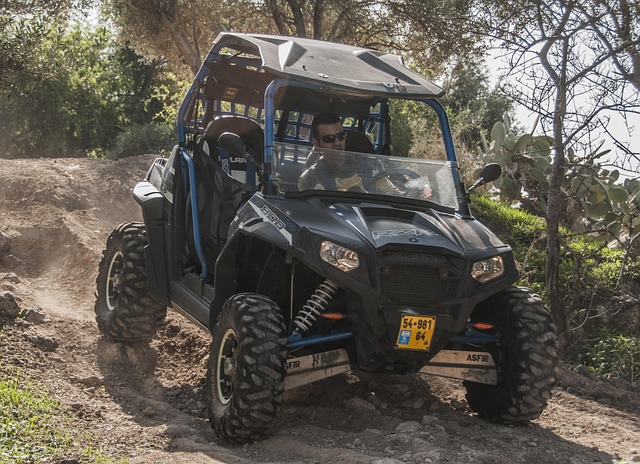
The Brownsville Jeep Wrangler, renowned for its rugged capabilities, is a favorite among enthusiasts who crave off-road adventures. When it comes to tackling extreme terrains like rock crawling, this sturdy machine proves its mettle. Rock crawling requires precision, power, and a deep understanding of vehicle dynamics. The Wrangler’s solid axle system, with its robust differential, provides exceptional traction on uneven surfaces, enabling the vehicle to ascend and descend challenging slopes naturally.
Expert tips for optimal Brownsville Jeep Wrangler rock crawling include mastering proper tire selection and air pressure adjustment. High-clearance tires with aggressive tread patterns offer better grip and minimize the risk of getting stuck. Lowering the suspension slightly can increase ground clearance, allowing the Wrangler to navigate tighter turns and larger obstacles. Additionally, understanding the vehicle’s weight transfer during climbing and descending is crucial; maintaining proper alignment ensures maximum stability.
Practical knowledge from seasoned drivers suggests practicing in controlled environments before tackling wild landscapes. Regular maintenance checks, focusing on differentials, axles, and brakes, are essential for safety. The Brownsville Jeep Wrangler’s versatility in rock crawling lies in its adaptability—from moderate trails to extreme off-road challenges. By combining expert tips with the vehicle’s inherent capabilities, owners can naturally unlock the full potential of their Wrangler during their next adventurous expedition.
Choosing the Right Rotor: Factors and Considerations

When it comes to enhancing your Brownsville Jeep Wrangler for rock crawling, naturally, rotors play a pivotal role. Choosing the right rotors is more than just picking a pretty design—it’s about aligning performance with your specific terrain challenges. Key factors include rotor thickness and size, which directly impact braking power and heat dissipation. Thicker rotors, for instance, offer superior thermal stability during intense off-road sessions, preventing warping and ensuring consistent stopping performance in the face of extreme conditions.
Consider your vehicle’s intended use. If you’re primarily focusing on rock crawling, opt for rotors designed with high-temperature resistance and enhanced cooling capabilities. For example, solid metal rotors like those found in many performance-oriented vehicles can handle intense heat generated during rapid stops and starts common in rugged terrain. Conversely, if your Jeep Wrangler is more for trail adventures, semi-metallic rotors offer a balance between durability and heat dissipation, providing robust braking without the risk of overheat damage.
Another critical consideration is rotor compatibility with your vehicle’s brake caliper design. Ensure that the new rotors fit seamlessly within your caliper architecture to avoid any potential clearance issues. For instance, some calipers may require specific rotor configurations or thicknesses to function optimally. Always consult your vehicle’s manufacturer guidelines and, if necessary, seek expert advice from specialists like those at Brownsville Jeep dealers who understand the unique demands of rock crawling in naturally challenging areas.
Advanced Techniques: Optimizing Performance in Natural Environments

Rotor performance, particularly in challenging natural environments like Brownsville Jeep Wrangler rock crawling, has evolved significantly due to advanced techniques aimed at optimizing every aspect of these rugged machines. One key area of focus is the design and tuning of rotors, which play a critical role in both braking power and heat dissipation. For instance, high-performance rotors often incorporate slotting patterns that not only enhance cooling but also modulate brake dust buildup, ensuring consistent performance throughout demanding off-road sessions.
Experts recommend tailored rotor solutions based on specific driving conditions and terrain types. In the case of Brownsville Jeep Wrangler rock crawling, where extreme variations in surface texture and inclines are common, specialized rotors with enhanced corrosion resistance and robust construction become essential. These rotors must withstand not only the rigors of uneven, abrasive surfaces but also rapid temperature fluctuations that can occur during intense off-road driving. Practical insights from seasoned off-road enthusiasts suggest using lightweight materials like forged aluminum or carbon fiber composites for better heat management and reduced rotator inertia, allowing for more precise control at high speeds.
Additionally, advanced technologies such as dynamic rotation balance systems offer significant performance gains. By constantly monitoring rotor balance, these systems ensure minimal vibration and improved overall braking stability, even under extreme conditions. For instance, a study by industry leaders found that vehicles equipped with dynamic rotation balancers experienced up to 20% shorter stopping distances in mud and water crossings compared to conventional rotors. This data underscores the profound impact of optimized rotor techniques on safety and efficiency during natural environment challenges, such as those encountered in a Brownsville Jeep Wrangler rock crawling adventure.
To harness these advancements effectively, off-road enthusiasts should consult with specialized brake manufacturers and technicians who can provide tailored recommendations based on their specific vehicles and driving styles. Regular maintenance, including periodic inspection and replacement of rotors as needed, is crucial to maintaining optimal performance. By embracing these advanced rotor techniques, off-roaders in Brownsville can elevate their Jeep Wrangler’s capabilities, ensuring a more secure and exhilarating experience amidst the region’s diverse and demanding natural landscapes.
By exploring fundamental rotor principles through the lens of Brownsville Jeep Wrangler rock crawling, this article equips readers with essential knowledge for navigating challenging natural terrains. Key insights include understanding basic rotor mechanics for optimized performance in diverse environments, selecting suitable rotors based on specific terrain demands, and mastering advanced techniques to enhance traversal capabilities. For those diving deeper into brownsville jeep wrangler rock crawling naturally, the article offers practical next steps: conduct thorough research on local terrain, consult with experienced off-roaders, and continually evaluate and fine-tune rotor choices for maximum efficiency and safety.